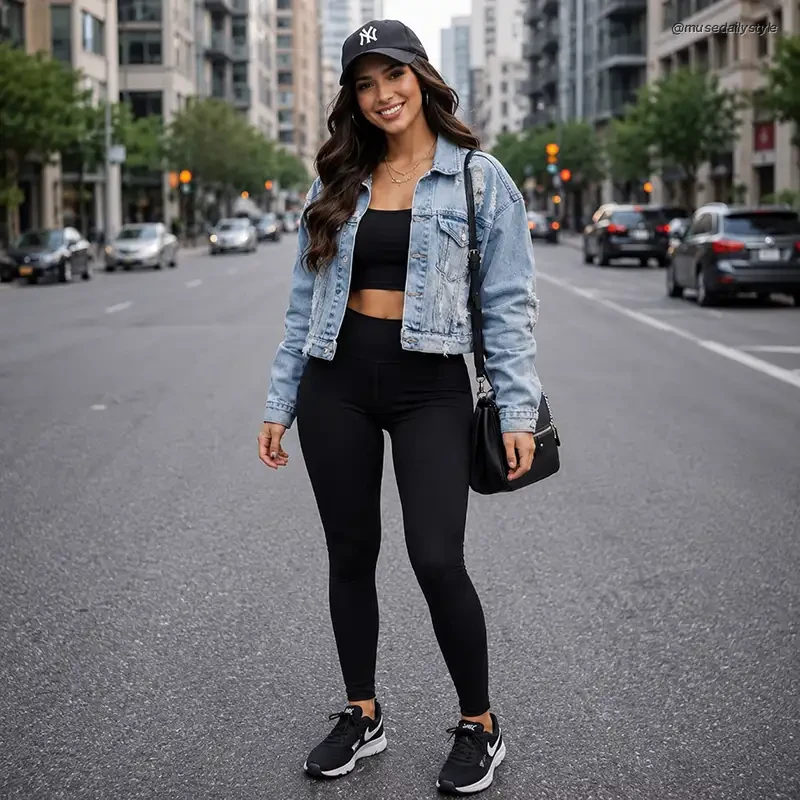
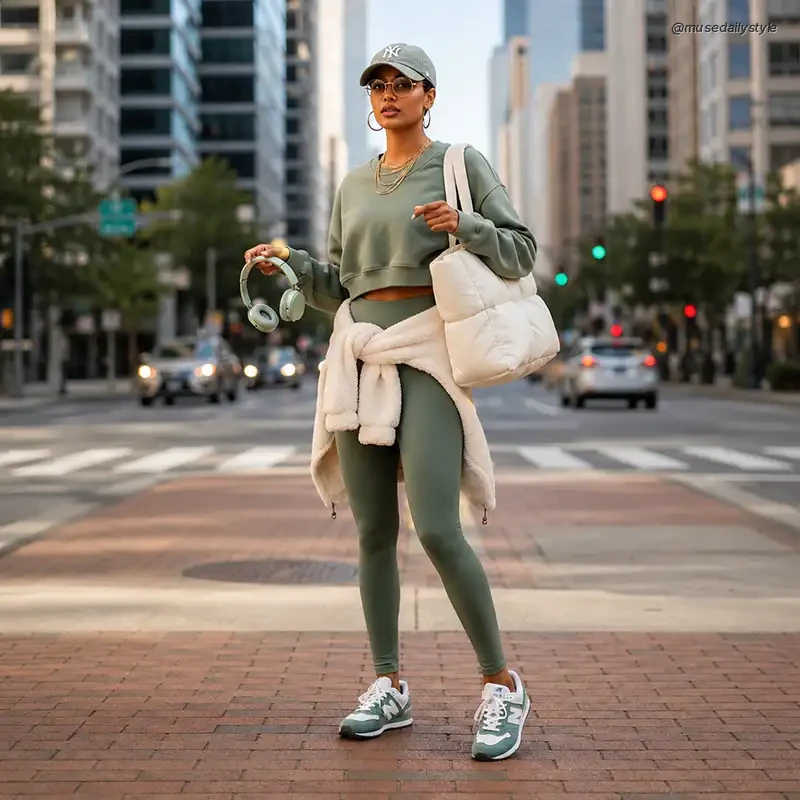
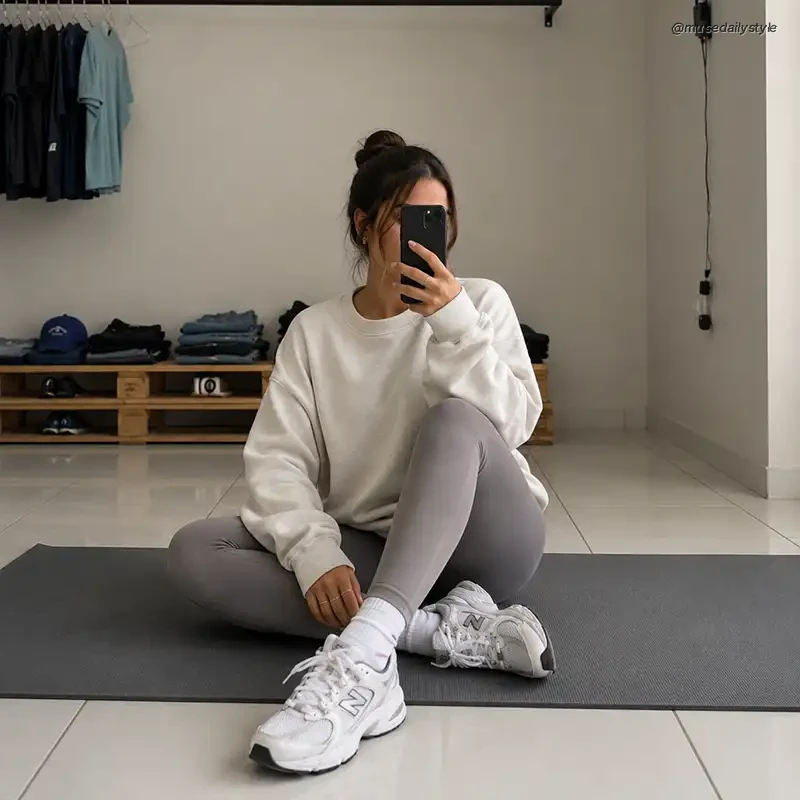
Black leggings will always be a safe choice — but 2026's activewear palette is proving there's a lot more room to work with. Warm neutrals and soft, muted tones are showing up across the category, offering an alternative to black that still feels wearable well beyond the gym. Here's how to shop and style the season's key colors.
Quick Answer
2026's activewear palette centers on mocha, terracotta, sage green, and soft pastels (pink, lavender) — all warmer and softer than the primary, high-contrast sportswear colors of past seasons. Pick one or two as your base tones and use black or white to connect everything else.
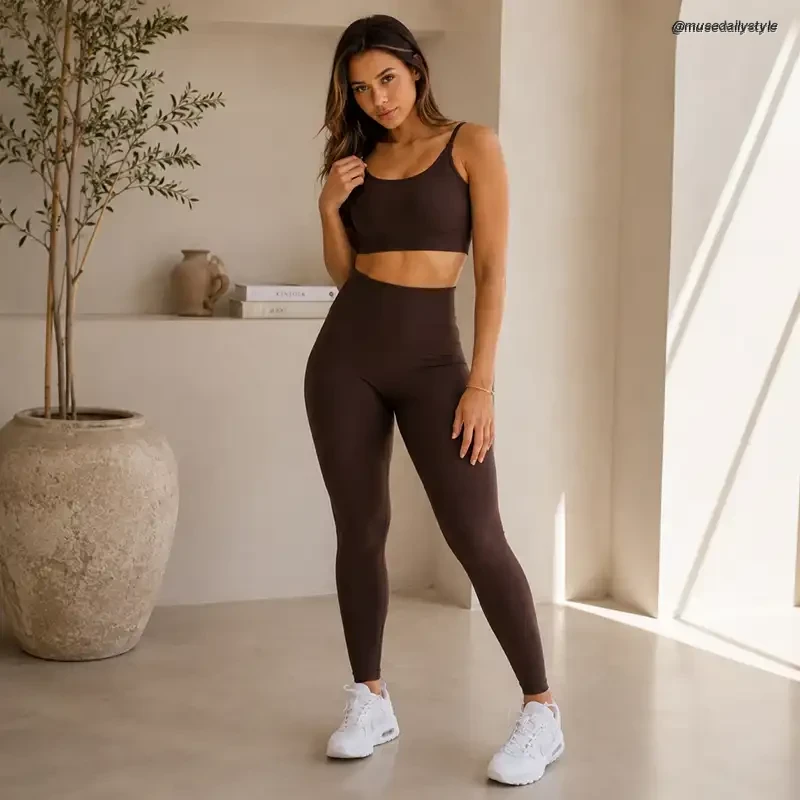
Mocha
A warm, deep brown that reads more elevated than black without losing versatility — mocha activewear pairs naturally with cream, white, and other warm neutrals already in your closet, making it easy to wear the same pieces outside a workout context.
Terracotta
A warmer, slightly muted orange-red that adds real color without being loud. Terracotta works especially well as a single statement piece — a sports bra or a jacket — paired with neutral leggings, rather than head-to-toe.
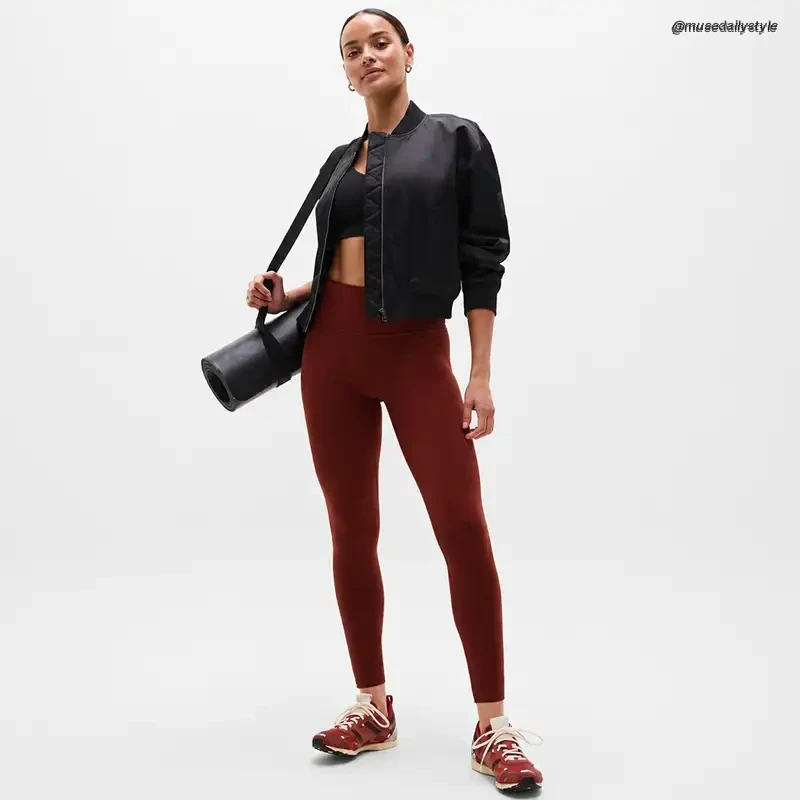
Sage Green
A soft, muted green that's calming rather than bold — sage has become one of the most-repeated colors across activewear lines because it photographs beautifully and works for both indoor studio workouts and outdoor activity alike.
Soft Pink and Muted Lavender
"2026's activewear color story isn't about one single trend shade, but a broader shift away from purely primary, high-contrast sportswear colors."
Rounding out the palette, these gentler pastel tones continue to hold their place alongside the warmer neutrals.
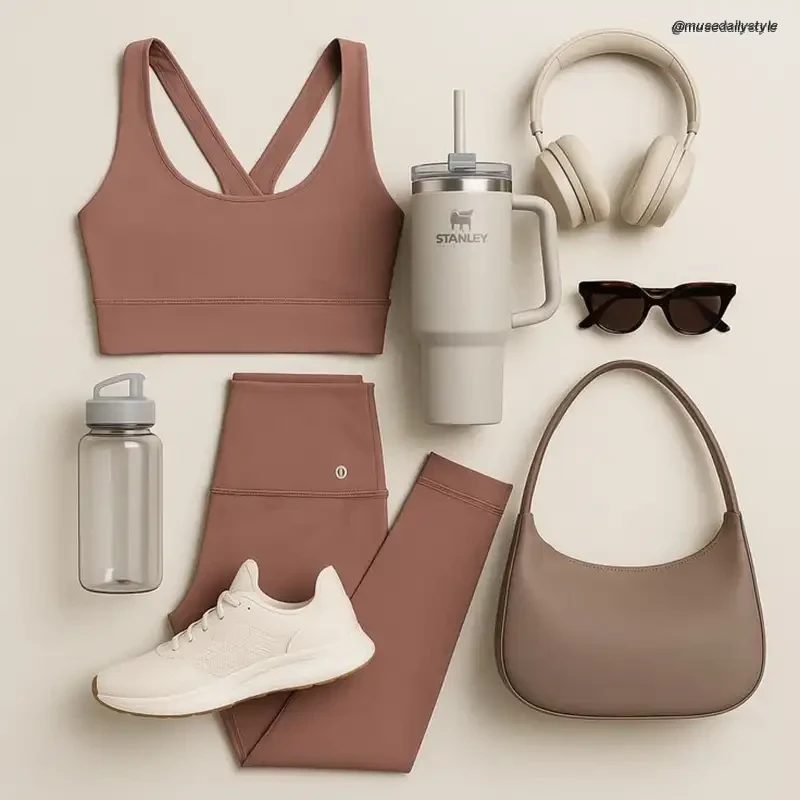
How to Build a Cohesive Activewear Wardrobe Around This Palette
- Pick one or two of these tones as your "base" colors.
- Build most of your pieces around them.
- Use black or white as the connector between everything.
This keeps your activewear collection feeling coordinated rather than like a random assortment of trend colors.
Common Mistakes to Avoid
- Buying one piece in every trend color instead of building around one or two cohesive base tones.
- Assuming pastel tones only work for low-intensity workouts — they hold up for any activity level.
- Ignoring opacity in lighter shades like sage and lavender — check before wearing them for high-movement workouts.
Key Takeaways
- Mocha, terracotta, sage green, and soft pastels are replacing purely primary sportswear colors.
- Pick one or two base tones and connect everything with black or white.
- These colors are designed to work as everyday wear, not just gym pieces.
Final Thoughts
The shift toward warmer, softer activewear colors says something bigger than a seasonal palette update — it reflects activewear's continued move from purely performance gear to something people genuinely want to wear all day.