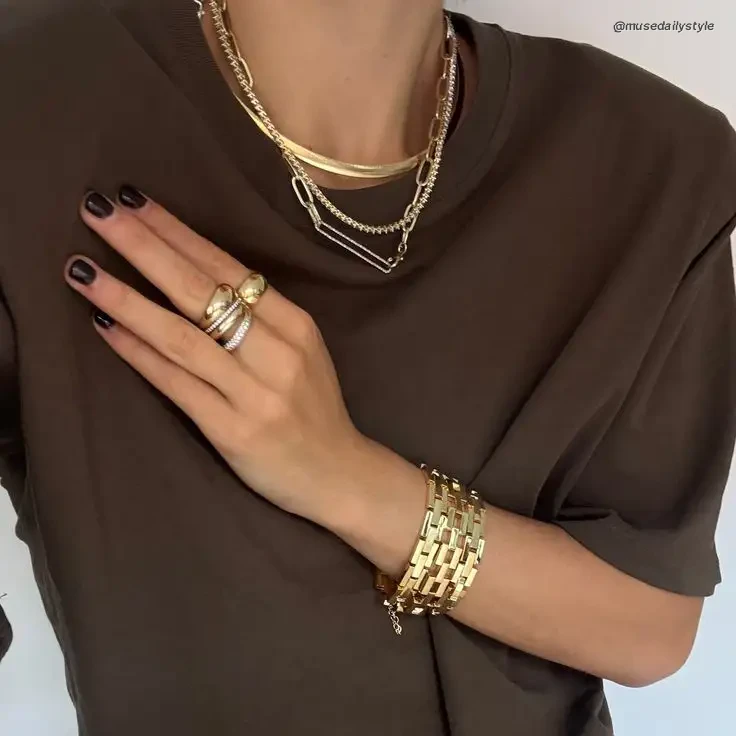
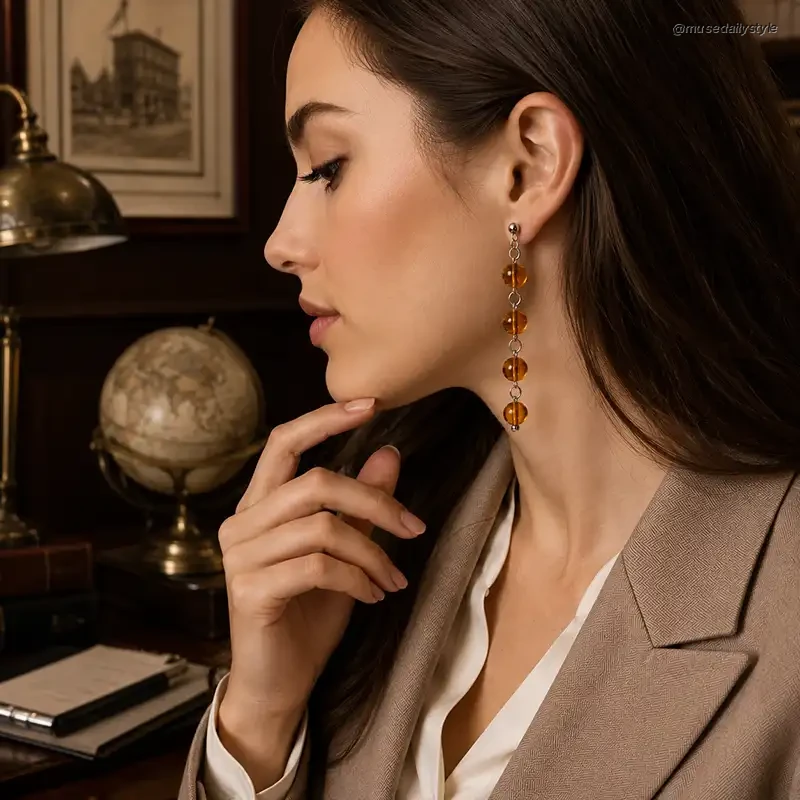
"Gold with gold, silver with silver" is officially outdated advice. Major jewelry brands have dropped the matching-metal rule for 2026, and mixing gold and silver is now one of the easiest ways to make your jewelry look intentional instead of like you just wore whatever was closest. Here's how to do it well.
Quick Answer
To mix metals well: pick a dominant metal (roughly 70-80% of your pieces), let the other metal be a single contrasting accent, and start with one piece that already combines both — like a two-tone watch — before mixing separate pieces. Skin tone can guide which metal to favor, but it's not a rule.
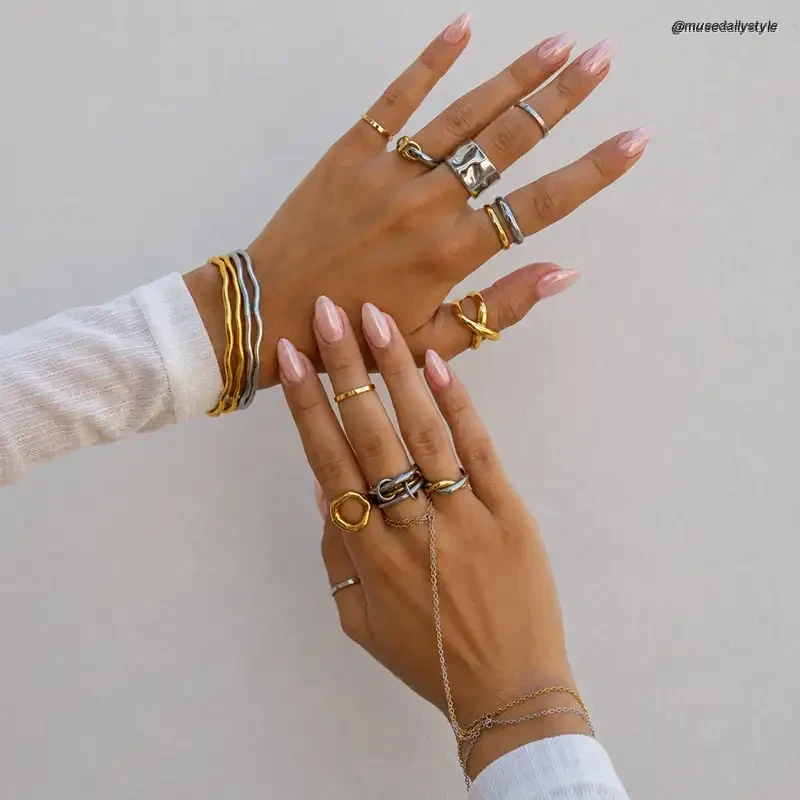
Why the Old Rule Existed (and Why It Doesn't Matter Anymore)
Matching metals used to be the "safe" choice because it was hard to get wrong. But safe isn't the same as stylish — and once you see mixed metals done well, all-one-metal starts to look like you didn't actually choose your jewelry, you just grabbed a set. The rule was about avoiding mistakes, not about looking your best.
Start With One Piece That Mixes Both
The easiest entry point isn't wearing separate gold and silver pieces — it's finding one piece that already combines both, like a two-tone watch or a ring with a contrasting metal detail. It trains your eye for the combination before you commit to mixing separate pieces.
Anchor the Look With a Dominant Metal
"One contrasting piece reads as a deliberate accent; an even 50/50 split can start to look accidental instead of intentional."
Pick whichever metal you're wearing more of — say, three gold pieces and one silver — and let that be the "dominant" tone. This is the single most important rule for making mixed metals look intentional.
Let Your Skin Tone Be a Guide, Not a Rule
- Warmer skin tones tend to make gold glow, and can make silver look slightly flat by comparison.
- Cooler skin tones often do the opposite — silver reads brighter, gold can look muted.
That's useful for deciding your "dominant" metal — but it's a starting point, not a restriction. Wear what you love and let mixing happen naturally from there.
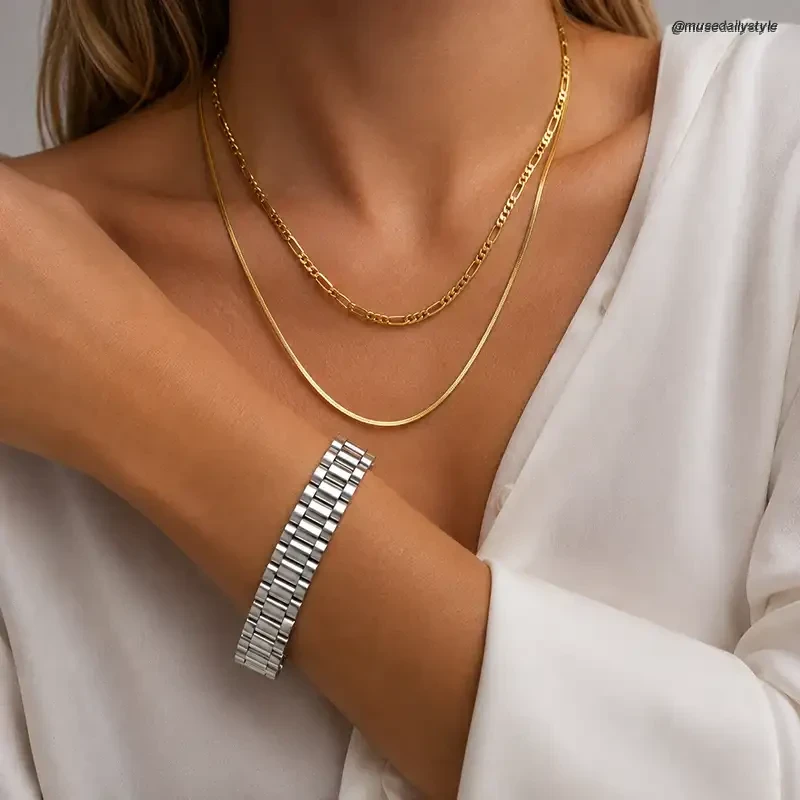
Common Mistakes to Avoid
- Mixing metals in an exact 50/50 split, which tends to read accidental rather than deliberate.
- Jumping straight to five separate pieces instead of starting with one two-tone item.
- Avoiding the trend entirely out of habit, even though the "old rule" no longer applies at most jewelry brands.
Key Takeaways
- The matching-metal rule is officially outdated — mixing gold and silver is expected, not risky.
- A dominant metal with one contrasting accent piece looks most intentional.
- Skin tone is a helpful guide for which metal to favor, not a hard rule.
Final Thoughts
The old rules existed to make jewelry foolproof, not fashionable. Mixing metals takes a little more intention, but it's exactly the kind of small styling choice that makes your jewelry look like it was actually chosen — not just matched.