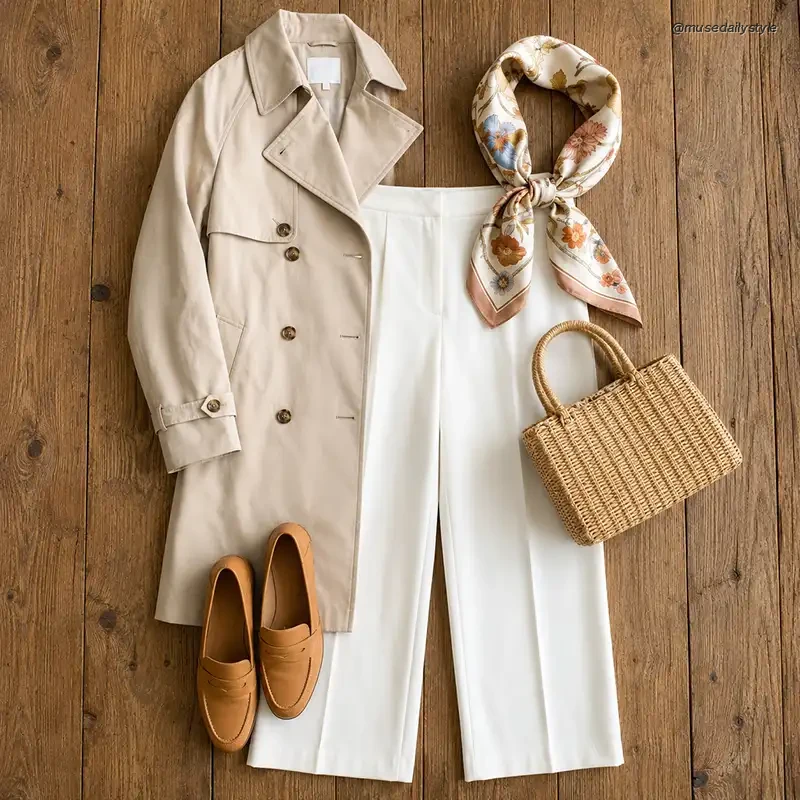
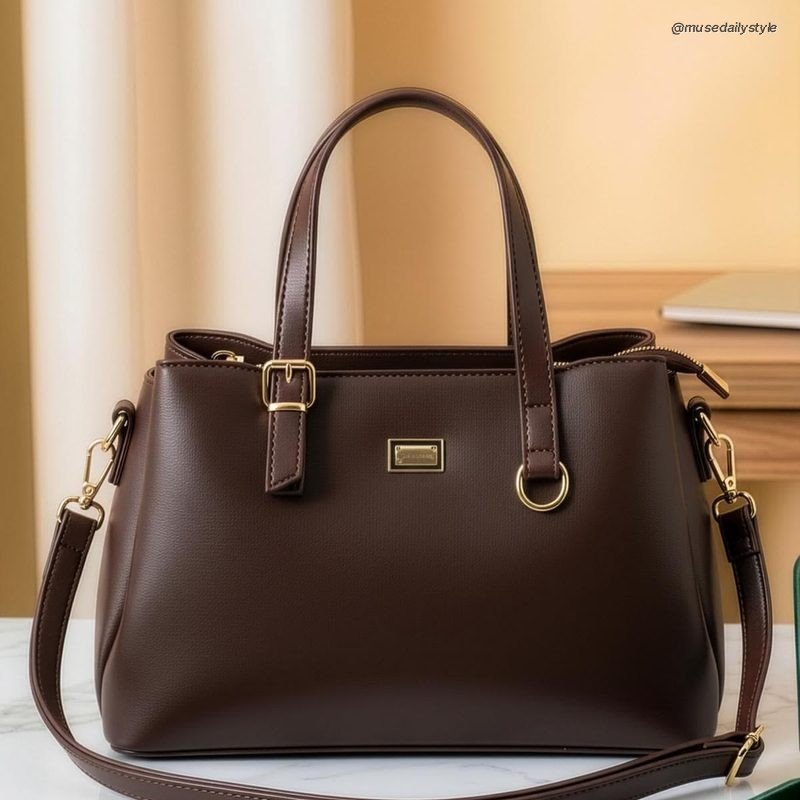
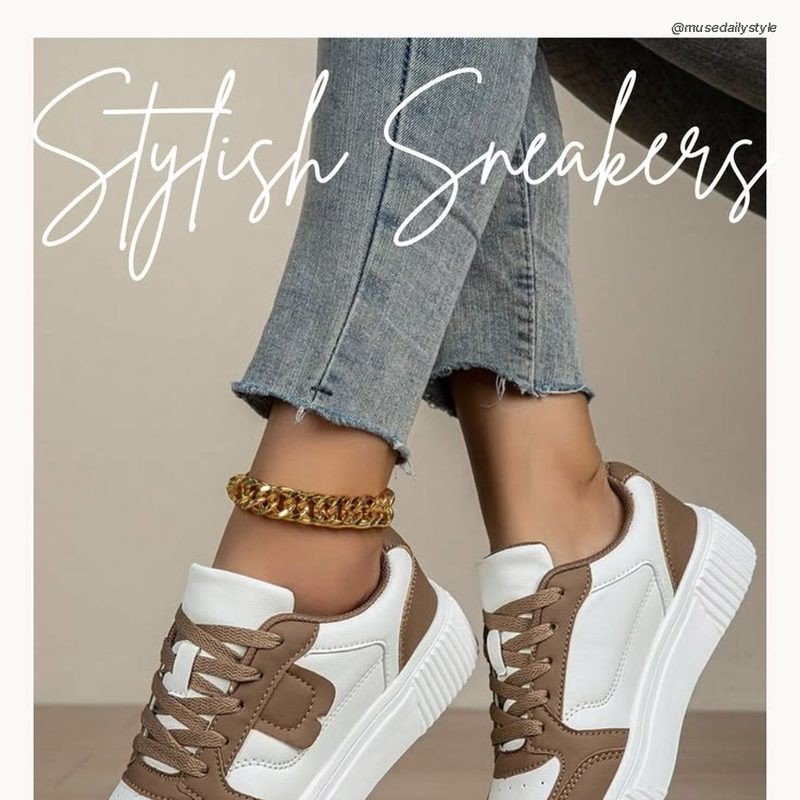
"Outfits that look expensive" is one of the most consistently searched styling topics on Pinterest — and the good news is that looking expensive has almost nothing to do with how much you actually spend. It's about a handful of specific choices. Here's what to shop for.
Quick Answer
Looking expensive comes down to four things, regardless of budget: structured pieces (a blazer, a structured bag), monochrome color combinations, neutral tones, and correct fit. A tailored $30 blazer will always read more expensive than an ill-fitting $300 one.
Structured Pieces Over Soft Ones
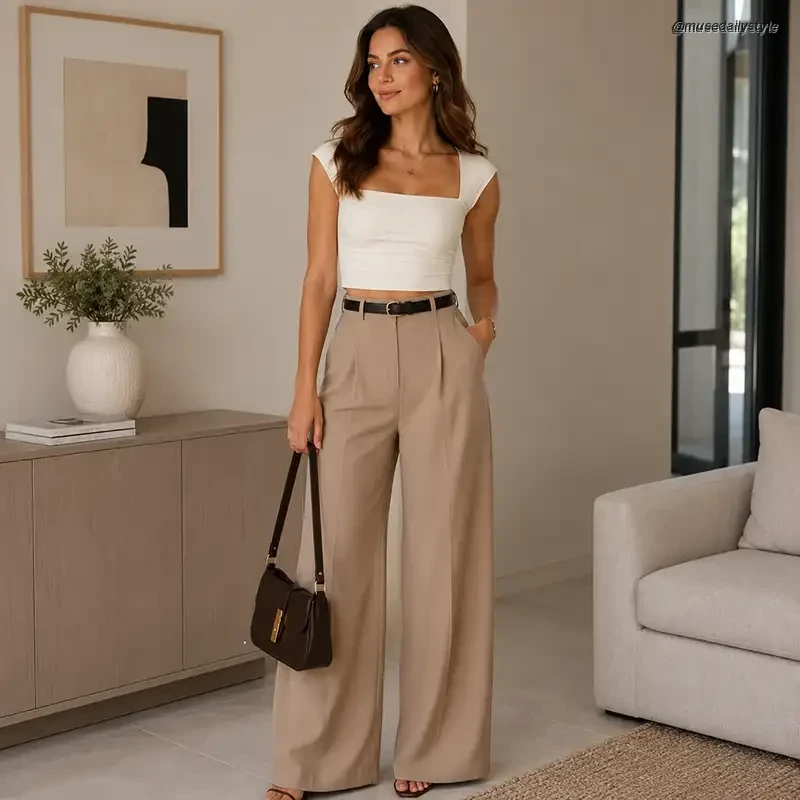
At least one structured item — a blazer, a structured tote, a pair of tailored trousers — instantly reads more polished and professional than an outfit made entirely of soft, unstructured pieces, regardless of price. This is the single highest-impact category to shop in under $50.
"Structure reads as 'decision' — it's the fastest visual signal that an outfit was chosen, not thrown together."
Monochrome Basics
An outfit in one color family, or close shades of it, removes the guesswork of "does this match" and instantly looks elevated. Look for basics in cream, camel, black, or grey that you can build a full monochrome look around.
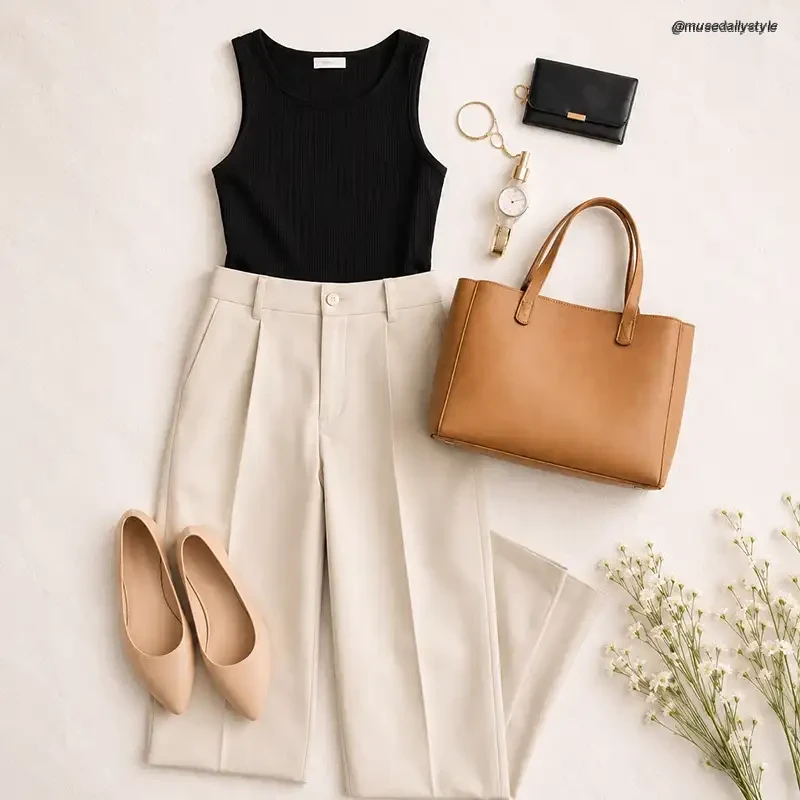
Faux-Fur or Textured Mules
A pair of textured mules or faux-fur-lined flats gives a high-end feeling without the price tag, and they work with almost everything from palazzo pants to a casual dress. Texture does a lot of the "expensive" work that price alone usually gets credit for.
Statement Jewelry That Reads Real
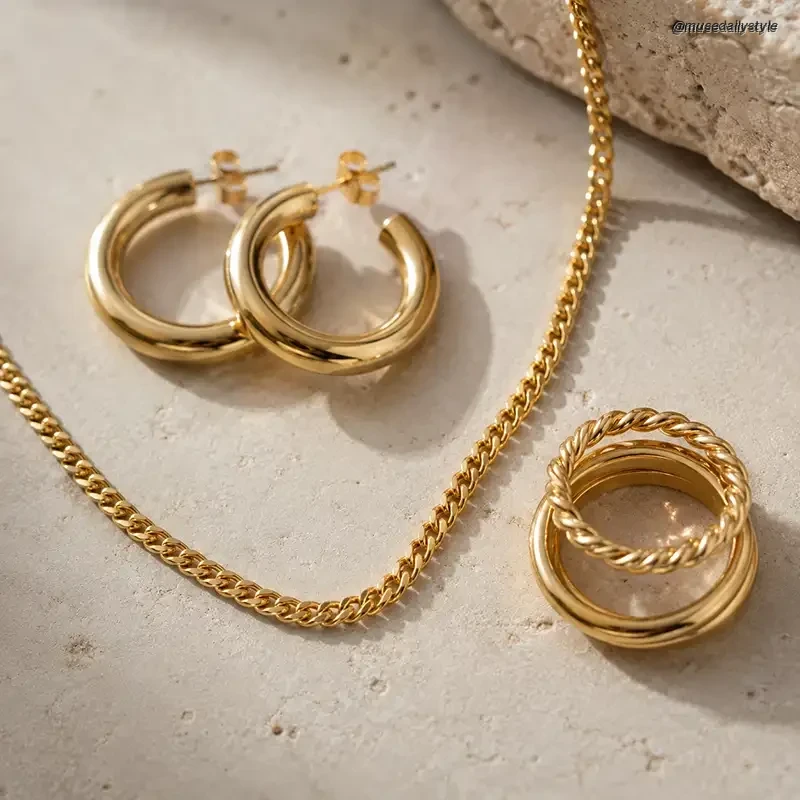
A few classic, modern-looking gold pieces go a long way toward making an outfit look finished:
- Hoop earrings
- A chain necklace
- A stack of thin rings
Plenty of affordable jewelry lines nail the look without needing to be fine jewelry.
Neutral Colors, Full Stop
Sticking to neutral colors across most of your wardrobe is one of the simplest ways to keep your whole closet looking more expensive, since neutral pieces mix effortlessly and rarely look dated the way trend colors can.
The Real Secret: Fit Over Price
None of this works if the fit is off. A $30 blazer that's tailored to your shape will always look more expensive than a $300 blazer that's a size too big. If you only spend money on one thing, spend it on tailoring, not on the original price tag.
Common Mistakes to Avoid
- Buying trend pieces in bright, non-neutral colors that only work with one specific outfit.
- Skipping tailoring on a great, affordable find — a $10 hem adjustment can transform how expensive a piece reads.
- Mixing too many textures, prints, and colors in one outfit instead of keeping it simple and structured.
- Assuming logos or branding signal quality — structure and fit read as expensive far more reliably.
Key Takeaways
- Structure, monochrome color, and fit matter more than price.
- One faux-fur mule or textured flat can elevate an entire outfit.
- Neutral jewelry and neutral clothing colors both extend your wardrobe's mileage.
- Tailoring a budget piece almost always beats an expensive piece that doesn't fit.
Final Thoughts
Looking expensive was never really about the price — it's about structure, color discipline, and fit doing the work that a bigger budget usually gets credit for.